Gold-Silver Ratio: What It Shows and How Investors Use It
One of the oldest indicators in the precious-metals market, and still one of the most closely watched today, is the ratio between the price of gold and the price of silver. This article explains what the ratio actually means, and how you can (and cannot) put this information to use.
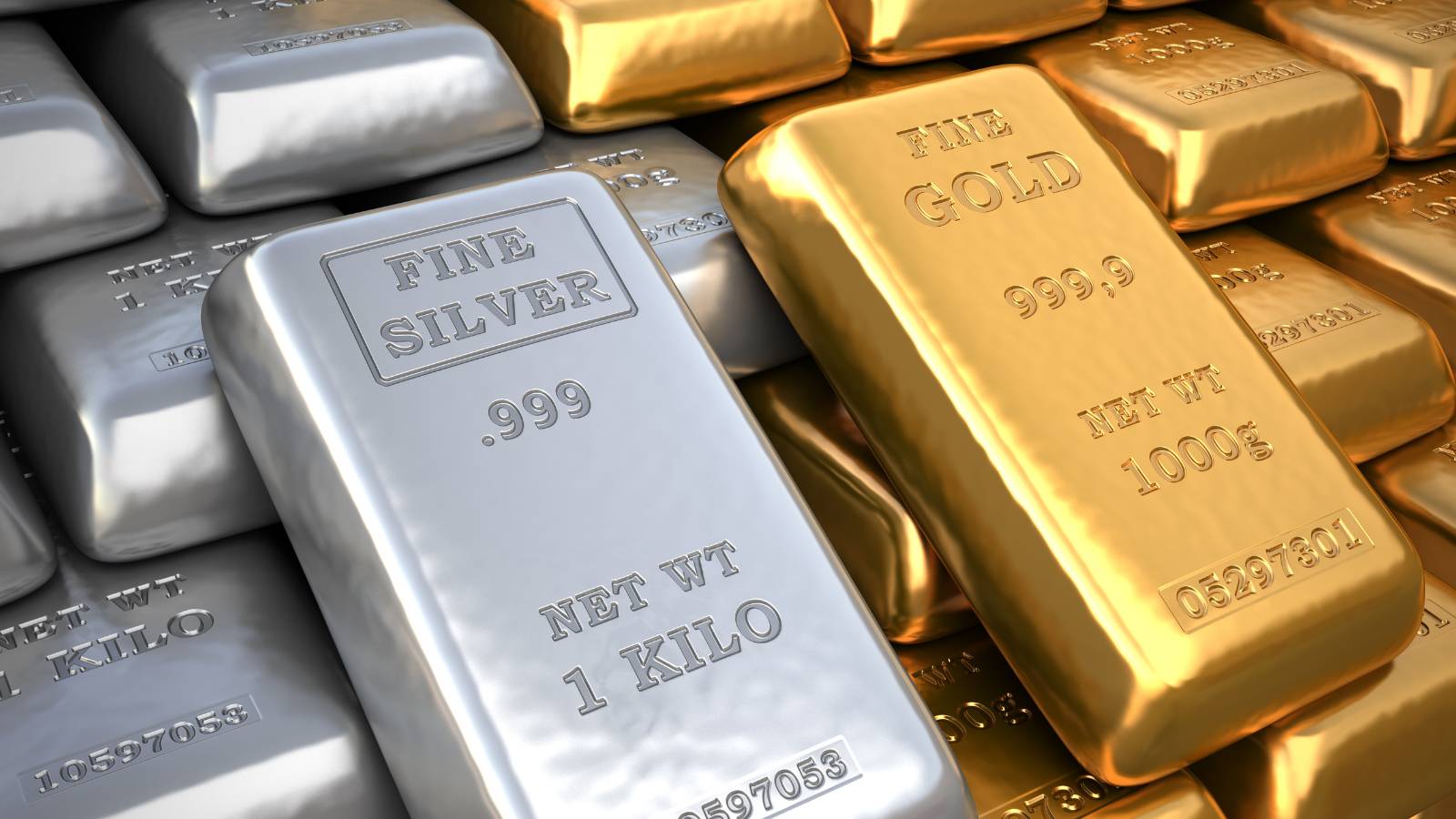
What Is the Gold-Silver Ratio?
The gold-silver ratio shows how many ounces of silver you would need to sell to buy one ounce of gold, calculated by dividing the spot price of gold by the spot price of silver. When gold is priced significantly higher relative to silver, the ratio is high; when the two prices move closer together, the ratio falls.
Historical Background
Historically, when many countries' monetary systems were built partly on gold and partly on silver, this ratio was often officially fixed, and typically lower than what we see in modern, freely floating markets. Since fixed exchange-rate systems ended, the ratio has moved freely and fluctuated across an extremely wide range, at points sitting well above or below the levels common under the earlier fixed-rate era.
How Do Investors Use This?
As a relative valuation tool. When the ratio is unusually high by historical standards (meaning silver looks "cheap" relative to gold), some investors treat this as a signal worth considering when weighing a larger allocation to silver, and the opposite when the ratio is unusually low. This remains an individual judgment call, however, and does not amount to a specific recommendation for any particular ratio.
As one input into portfolio composition. As we discussed in an earlier article on splitting a precious-metals portfolio, the gold-silver ratio can be one additional factor when you decide which metal to emphasize on your next purchase, weighed together with other considerations.
Why It's Not a Reliable, Precise Timing Tool
The ratio can stay at an extreme level for a long time. There is no guarantee that a historically high or low ratio will revert to a past average over the short or even medium term. This kind of assumption, known as mean reversion, has often disappointed people who built a precise timing strategy around it.
Structural shifts can change what counts as "normal." Silver's growing industrial use, in solar panel manufacturing and electronics, can fundamentally affect the historical relationship between gold and silver, so assuming a return to an old, decades-old average is an increasingly shaky bet.
Many other factors move each metal's price separately. Gold and silver each depend on their own, partly independent drivers, including central bank demand, industrial demand, and investor sentiment, so the ratio alone does not tell the whole story.
How Should You Use This Indicator Correctly?
As context, not as a precise signal. The ratio helps you understand where the relative pricing of the two metals stands in historical comparison, but it is not a sound basis for a precise, short-term buy or sell decision.
For long-term, gradual allocation decisions. If you are already planning to expand your precious-metals holdings over time, the ratio can help you decide which metal to weight more heavily on your next purchase, without being the only factor you consider.
Alongside other factors, not on its own. It is worth weighing your own risk tolerance, industrial demand trends, and your portfolio's current composition as well, rather than basing a decision solely on this one indicator.
What Can We Learn From the Long-Term Trend?
Looking back over recent decades, the ratio itself has moved in long, multi-year cycles, much as each precious metal's own price tends to follow longer trends. This reinforces the idea that the ratio is best treated as background information rather than a precise, short-term trading signal. Past performance is no guarantee of future results.
Where Can You Find the Current Ratio?
Many financial news outlets and precious-metals data providers publish live, free spot prices for both gold and silver. From these, you can calculate the current ratio with a simple division, or find dedicated, real-time ratio trackers directly.
Frequently asked questions
What counts as a "high" or "low" gold-silver ratio? This is a matter of historical comparison, judged against the averages and extremes of recent decades. This benchmark itself shifts over time.
Should you time a purchase based on the ratio? This is not recommended as your sole basis, since the ratio can stay at an extreme level for a long time. It works better as context than as a precise timing tool, and this is not a guarantee of any future price movement.
Why does this ratio keep changing? Because gold and silver prices each depend partly on independent factors, including central bank demand, industrial demand, and investor sentiment, which move the two metals' prices to different degrees.
How can you calculate the current ratio yourself? Divide the current spot price of gold by the current spot price of silver; both figures are publicly available free of charge.
Summary
The gold-silver ratio is a long-followed, useful contextual indicator that shows the relative pricing of the two metals, but it should not be treated as a reliable, precise timing tool. It is most useful for long-term, gradual allocation decisions, weighed alongside other factors rather than in isolation. How this fits into your own savings strategy depends on your situation, goals, and risk tolerance, and it is worth seeking an independent professional opinion before deciding.
Book a free informational consultation
30 minutes, with no obligation. We give a transparent overview of the options, costs and risks of buying physical precious metals.