Risks of Investing in Gold: What Enthusiasts Often Leave Out
Most content about gold emphasizes the upside. This article deliberately looks at the other side: the risks you should weigh before you buy. An informed decision requires knowing both sides, not just the appealing arguments.
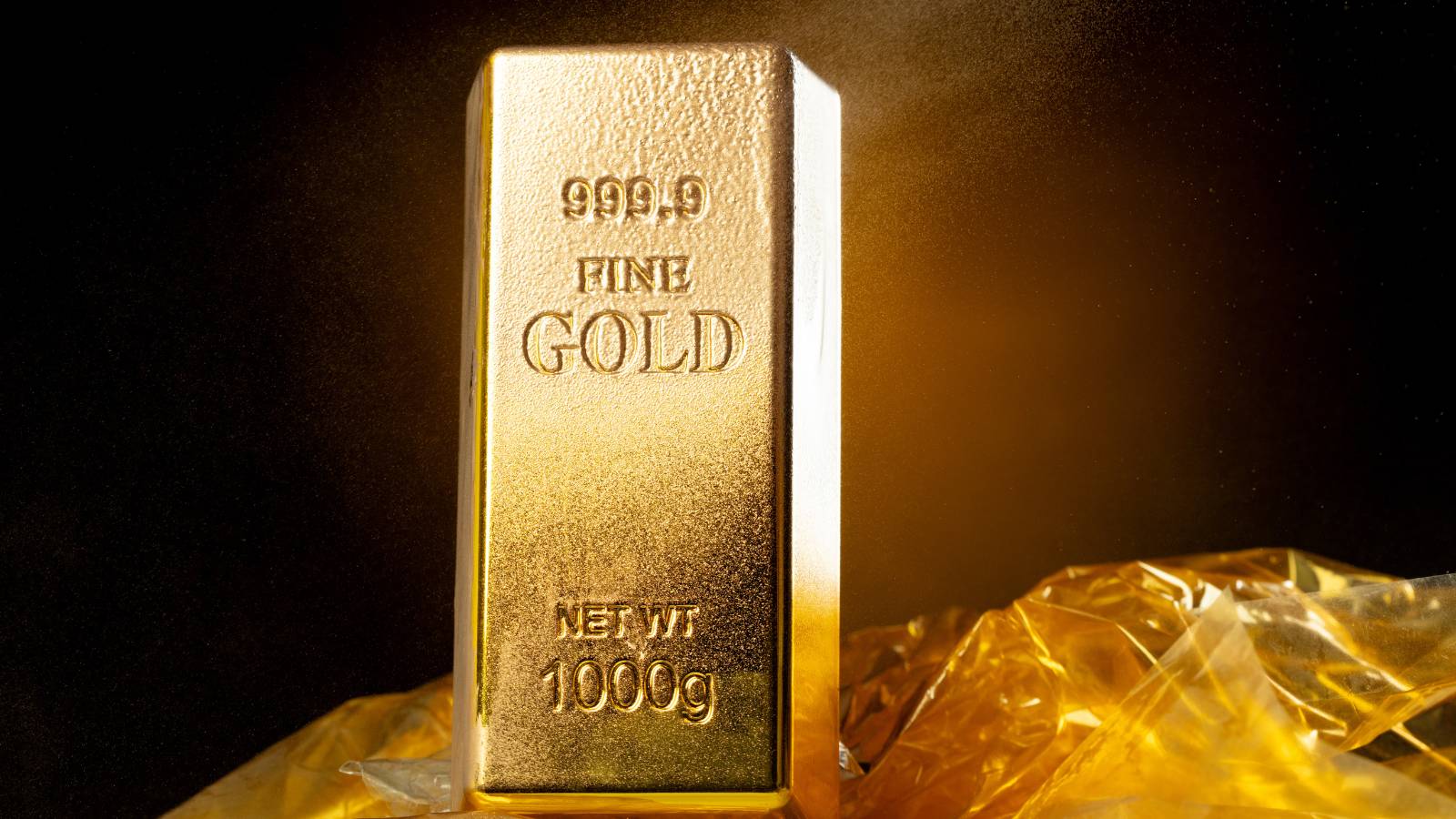
Gold Is Not a "Risk-Free" Asset
Some communication frames gold as an automatic safe harbor. The reality is more nuanced: the gold price can fluctuate significantly over both the short and medium term, and history includes multi-year stretches where it lost meaningful value. The risk profile of gold differs from that of a stock or a business, but it is not zero.
No Ongoing Yield, Only Price Gains
Gold pays no dividend, no interest, and no rent. The only way to profit is through price appreciation. This means that during a long sideways or declining period, your holding produces no ongoing return at all, unlike a bond or a dividend-paying stock. This kind of opportunity cost is worth weighing consciously before you commit funds.
Liquidity Risk: The Gap Between Buy and Sell Price
When you sell gold, a dealer typically buys it back below the spot price, while selling to you above the spot price. This gap, the bid-ask spread, means the price first has to close that gap before you see any actual profit. Smaller, less liquid products tend to carry a wider spread.
Premium Risk
Smaller-weight or numismatic products in particular can carry a high premium that does not fully come back to you when you sell, since the premium level depends on market sentiment and demand. Even if the underlying spot price rises, a shrinking premium can offset, or even outweigh, that gain.
Storage and Theft Risk
The tangibility of physical gold is both an advantage and a risk. You are responsible for arranging secure storage, and if that arrangement is missing or inadequate, a break-in, theft, or even a fire can cause a significant loss. Inadequately insured home storage can also mean a loss event is not covered, or only partially covered.
Counterfeiting Risk
At reputable, LBMA-accredited dealers this risk is low, but on the secondary market, or when buying from an unknown source or a private individual, counterfeiting is always a possibility. This is especially true in markets without mature regulation or a unified certification system.
Currency Risk
The international gold price is typically quoted in US dollars, while you think in your own currency. This means that movements in the exchange rate also affect what your gold is worth in your local currency, an additional layer of risk that many overlook.
Psychological Risk: Panic-Selling at the Wrong Time
One of the most common, yet least discussed, risks is not a market risk at all but a behavioral one: many investors sell in a panic exactly when the price dips temporarily, instead of sticking with their long-term plan. This kind of emotion-driven decision often reduces the actual return compared with the return that was achievable on paper.
Regulatory Risk: Rare but Not Impossible
Today, most Western countries allow individuals to freely buy, hold, and sell physical gold. Historically, however, some countries restricted private gold ownership or trading during extreme economic circumstances. This is an extremely unlikely risk in most developed markets today, but it is worth knowing it exists, particularly if your savings strategy is explicitly built around extreme economic scenarios.
How Can You Reduce These Risks?
Buy only from a reliable, transparent dealer where the certificate and proof of origin are clear.
Avoid excessively high-premium, numismatic products if your goal is straightforward investment.
Arrange proper, insured storage and decide on it before you buy, not after.
Build your holding gradually, rather than committing a large sum at once, to reduce timing risk.
Plan for the long term, and try to avoid emotion-driven, short-term decisions.
Frequently asked questions
Can I lose money investing in gold? Yes. Over the short and medium term the price can decline, and the premium and the buy-sell spread can also reduce your actual return.
Is gold safer than stocks? It carries a different type of risk: it depends less on the performance of a single company, but it produces no ongoing return and carries its own risks around storage, liquidity, and premium.
How can I reduce the risk of buying a counterfeit? Buy only from a reliable dealer that works with LBMA-accredited sources, and check the certificate, the serial number, and the integrity of the packaging.
Why does it matter to know these risks if many people are optimistic about the long-term outlook? Because a realistic risk picture helps you avoid overly high expectations and poorly timed, emotion-driven decisions, which can help you achieve a better outcome over the long run. That said, past performance is no guarantee of future results.
Summary
For many people, gold is one possible component of long-term diversification, but it is not risk-free: price fluctuation, a liquidity gap, premiums, storage and counterfeiting risk, currency risk, and your own psychology all shape the actual outcome. Knowing these factors matters at least as much as knowing gold's advantages when you want to make an informed decision. Losses are possible in the short term, and the right decision always depends on your personal situation.
Book a free informational consultation
30 minutes, with no obligation. We give a transparent overview of the options, costs and risks of buying physical precious metals.