Silver and the Green Energy Revolution: A Long-Term Investment Thesis
One of the most frequently cited long-term arguments for silver is growing demand from renewable energy and electric vehicles. This article looks more closely at this thesis, including its uncertainties. One point up front: this is a theoretical demand thesis, not a guarantee that the price of silver will rise.
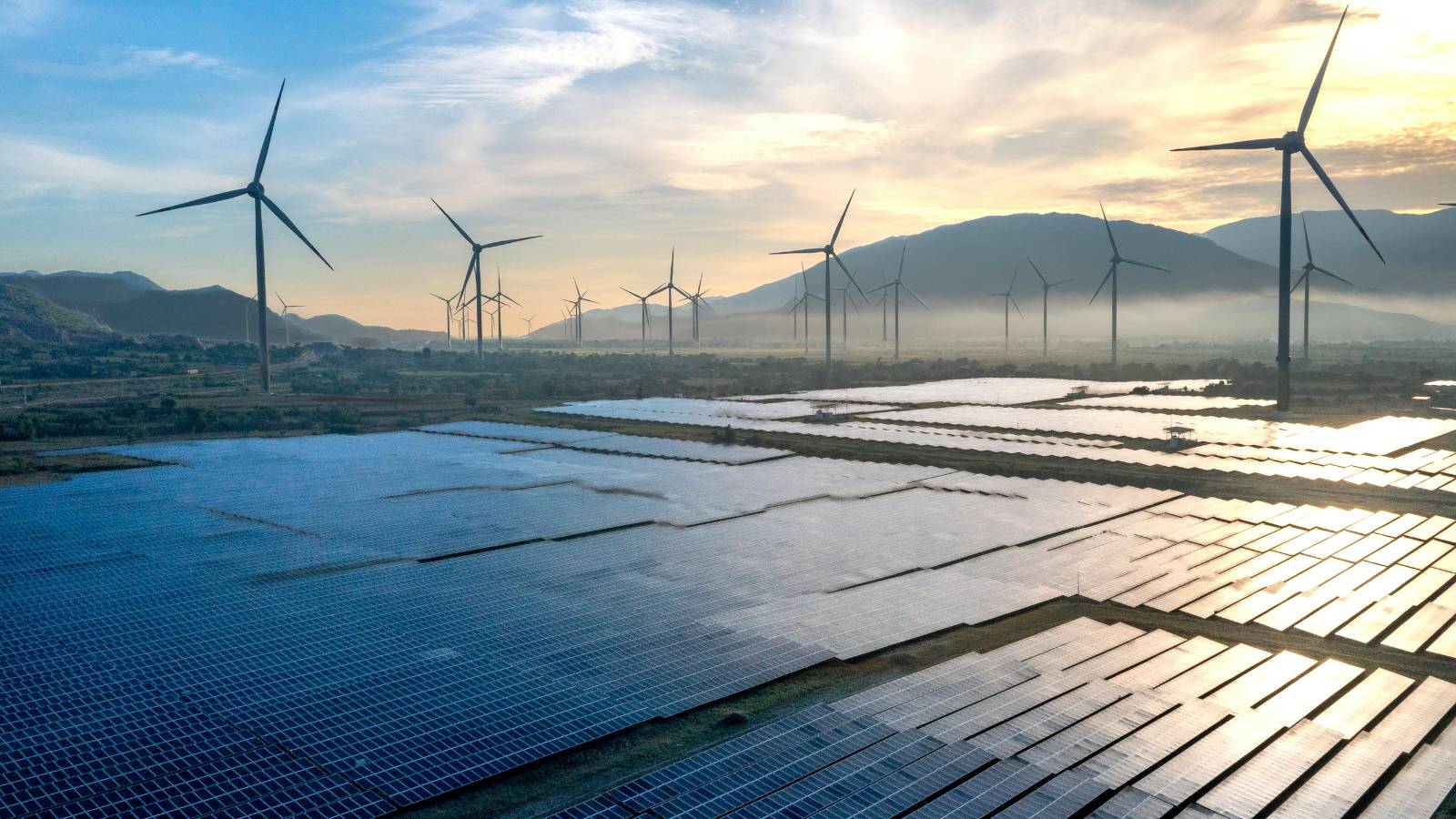
Why is silver essential in solar panel manufacturing?
In the manufacturing of solar cells, silver functions as a conductive paste that collects and carries the electrical current generated by the panel. Because of its excellent conductivity, there is currently no economical, widely used alternative that could replace it in this role with the same efficiency.
How large is the growth potential in this industry?
Many countries have set substantial renewable energy build-out targets spanning several decades, meaning installed solar capacity could keep expanding structurally. Since every installed panel requires silver, this theoretically provides a durable demand base partly independent of short-term economic cycles. This is not a guarantee, however, that the price of silver will move accordingly.
Is there a risk that manufacturers will use less silver?
Yes, and this is an important balancing factor. Manufacturers have been working for years to reduce the silver used per panel, a process known in the industry as thrifting, partly to cut costs. So far, growth in installed capacity has outpaced these efficiency gains, so total silver consumption has continued to grow overall, even though less is used per panel. This trend could change in the future.
What role do electric vehicles play?
Electric cars typically contain more electrical connections and circuitry than conventional vehicles, which can mean higher silver use per vehicle. As electric vehicle market share grows worldwide, this can represent an additional, structurally similar source of demand independent of the solar industry.
Why is this demand trend different from a typical economic cycle?
Traditional industrial demand closely tracks short-term economic cycles: it falls during a recession and strengthens during a recovery, as we discussed in an earlier article. The green energy transition, by contrast, is a multi-decade structural process driven by government targets and technology trends, which could theoretically become partly independent of short-term economic swings, although a severe recession could temporarily slow it too. This is an assumption about the future, not a certainty.
What uncertainties are worth keeping in mind?
Technological substitution risk. Research and development is continuously looking for ways to replace silver or further reduce its use, which could dampen demand over the long term relative to current expectations.
Political and regulatory uncertainty. Green energy targets depend on government policy, which can change, and this can affect the pace of installations.
The supply side can adapt too. As covered in a separate article, supply is inelastic but not static; over the longer term, the discovery of new deposits or efficiency gains could ease the pressure.
How should you approach this investment thesis?
Do not treat it as a guaranteed scenario. This is a well-grounded thesis shared by many analysts, but it is not a contractual guarantee, and future developments may differ from expectations.
Pair it with a long-term, patient outlook. Anyone who finds this thesis convincing is looking at a multi-decade logic, not quick, short-term returns.
Combine it with other considerations. Do not base a decision on this thesis alone; also weigh silver's other characteristics, such as volatility, taxation, and storage, covered in our other articles.
What other technology trends could reinforce this thesis?
Beyond solar manufacturing and electric vehicles, the build-out of 5G networks, data center expansion, and increasingly complex electronic devices could also add to industrial demand for silver. These trends can grow partly independently of one another, which could further reinforce the multi-source demand base this thesis rests on. This is a possible scenario, however, not a forecast.
How does this relate to short-term price movements?
It is important to distinguish between the long-term, structural thesis and short-term price movements: even if the multi-decade trend is favorable, this does not mean the price will rise steadily. Short-term movements are still shaped by market sentiment, the macroeconomic environment, and economic cycles, as covered in our earlier articles. Losses are possible in the short term.
Frequently asked questions
Why is silver important in solar panel manufacturing? Because of its excellent electrical conductivity, it is used as a conductive paste, and there is currently no widely used, economical alternative.
Does silver use decline as manufacturers become more efficient? Per panel, yes, but so far growth in installed capacity has outpaced this efficiency gain, so total consumption has continued to rise overall.
Does this thesis guarantee that the silver price will rise? No. It is well-grounded but comes with no contractual guarantee and carries several uncertainties, and past performance is no guarantee of future results.
How independent is this from economic cycles? Partly independent, since it is driven by government targets and technology trends, but a severe downturn could temporarily slow this too.
Summary
The relationship between silver and the green energy revolution is a well-grounded, long-term thesis, supported by structurally growing demand from solar and electric vehicles. At the same time, view the uncertainties realistically: technological substitution, political change, and supply-side adjustments can all affect how this trend plays out. The right decision always depends on your own situation, goals, and risk tolerance.
Book a free informational consultation
30 minutes, with no obligation. We give a transparent overview of the options, costs and risks of buying physical precious metals.