Silver Bars or Silver Coins: How to Decide
When buying silver, much like with gold, you need to choose between the bar and the coin format, though the factors behind that choice differ somewhat from what you may know from gold. This article walks through the key differences so you can decide in an informed way. One point up front: the price of precious metals can fluctuate, and buying physical silver is not a guarantee of profit.
Why is the premium on silver proportionally higher than on gold?
Because silver has a low price per gram, manufacturing, casting, and packaging costs make up a much larger share of the final price than they do with gold. A gold product's premium is typically a few percent, while a silver product's premium can be proportionally much higher, especially on smaller items. This is not a flaw or a markup trick, it is a direct consequence of the lower underlying metal price.
Silver bars: when can they be a good choice?
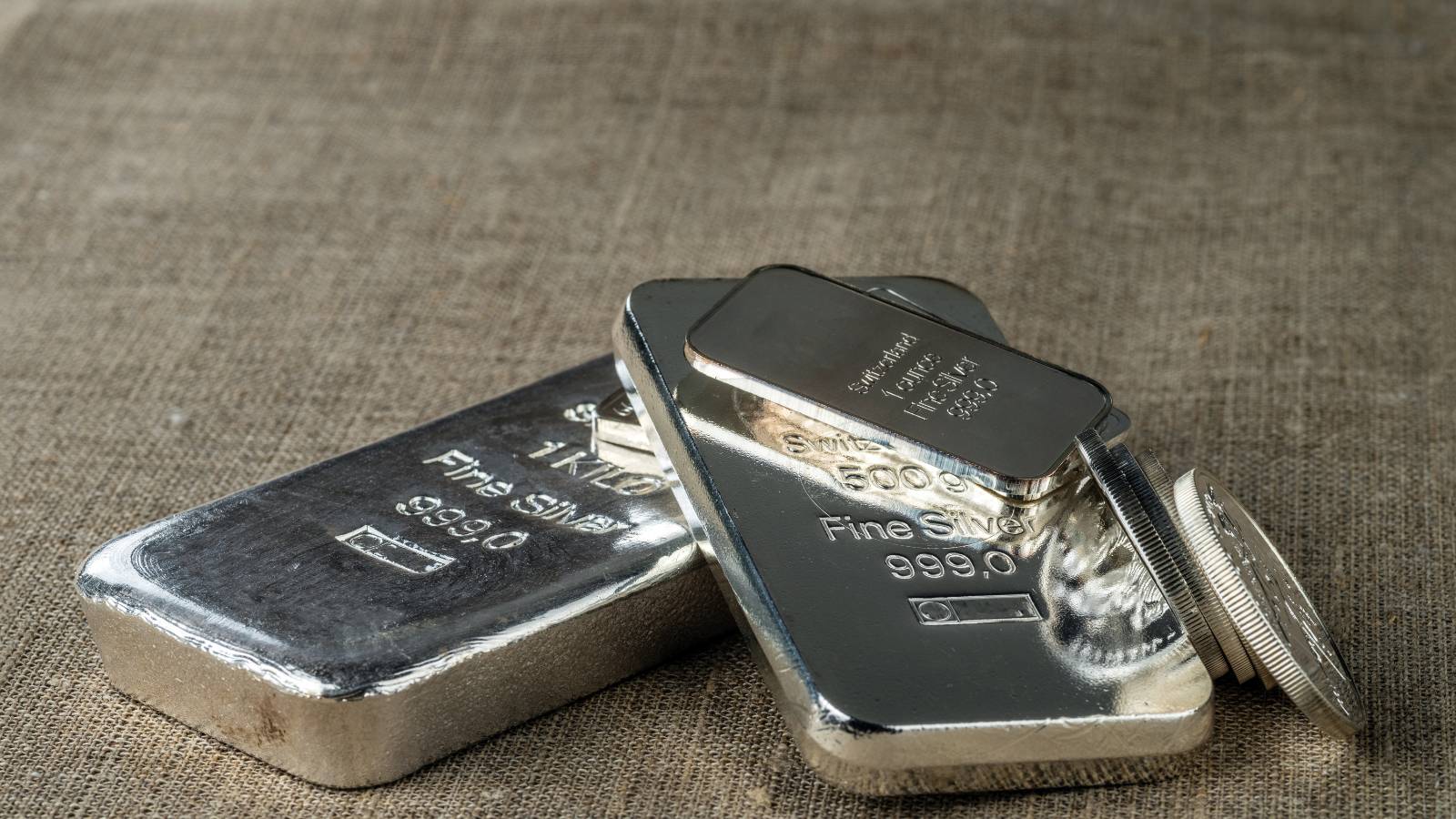
Silver bars come in a wide range of weights, from 1-ounce bars up to large, kilogram-sized blocks. The heavier the bar, the more favorable the premium per gram tends to be, so a larger silver allocation is often more cost-effective in heavier bars. That said, resale flexibility can matter just as much as the lowest premium.
Silver coins: when can they be a good choice?
Silver coins, such as the American Eagle, the Maple Leaf, the Britannia, or the silver Vienna Philharmonic, are highly popular because they are easy to divide, internationally recognized, and simple to sell in smaller quantities. If flexibility and easier resale matter to you, coins are typically a solid choice, even with a somewhat higher premium.
How is this decision different from gold?
With gold, VAT exemption and liquidity often sit at the center of the decision. With silver, neither format enjoys VAT exemption in Hungary, so the choice rests almost entirely on the balance between the premium level and how divisible or flexible you need your holding to be. This is general information, not tax advice: always verify the current, exact rules with an official source or a tax professional.
How should you compare premiums?
Always compare prices per gram or per ounce, rather than looking only at the total price. A larger bar's lower unit price is often more favorable than the combined price of several smaller coins, even though the coins offer flexibility in return.
When should you choose a bar?
If you are investing a larger amount at once, and do not plan to sell it off in smaller portions.
If your main priority is the lowest possible premium, and immediate divisibility into small quantities matters less to you.
When should you choose a coin?
If you want flexibility, because you might need to sell smaller quantities at some point.
If you are new to silver, and want to start with a well-known, internationally recognized product.
If you are also thinking about gifting, since a coin can be more suitable in appearance and form than a plain bar.
What should you do if you are still unsure?
If you are not yet sure which format fits your situation, it can help to start with a smaller, well-known coin series to get familiar with the process. The decision is not irreversible, your holding can be adjusted over time in either direction, depending on your goals and risk tolerance.
Is there a numismatic (collector) layer in silver too?
Yes, much like with gold, rare or special numismatic silver coins exist whose value can exceed their pure metal content. This layer is somewhat less extensive than in gold, but for a purely investment-focused purchase, choose standard, mass-produced products rather than collector pieces.
What weight should you choose as a beginner?
For beginners, 1-ounce coins or smaller, few-ounce bars often make the best entry point, since they are well known, easy to compare, and do not require a large upfront sum. The right weight and quantity always depend on your personal situation and goals.
Frequently asked questions
Why is the premium on silver higher than on gold? Because manufacturing and packaging cost makes up a proportionally larger share of silver's low per-gram price.
Which is cheaper: a silver bar or a silver coin? Heavier bars typically carry a lower premium per gram than coins, while coins offer more flexibility in return.
Does it make sense to buy smaller silver coins? Yes, if flexibility and easy divisibility matter more to you than the lowest possible unit price.
Does the same tax rule apply to bars and coins? Yes, neither format enjoys VAT exemption on silver in Hungary. This is general information; verify the exact rules with an official source.
Summary
The choice between a silver bar and a silver coin mainly comes down to the balance between the premium level and how divisible or flexible you need your holding to be, since the VAT exemption question that plays a major role with gold does not apply to either format here. A bar can be the more favorable choice for a larger amount, while a coin can suit smaller, more flexible holdings better, but the final decision always depends on your personal situation, your goals, and your risk tolerance. It is worth seeking an independent professional opinion before deciding.
Book a free informational consultation
30 minutes, with no obligation. We give a transparent overview of the options, costs and risks of buying physical precious metals.