Silver Tarnish: Why It Happens and What to Do
One of the biggest differences between silver and gold, and one few people plan for in advance, is that silver can tarnish over time, while gold practically never changes its surface under normal conditions. This article explains why this happens and what you can do if the silver you own has tarnished.
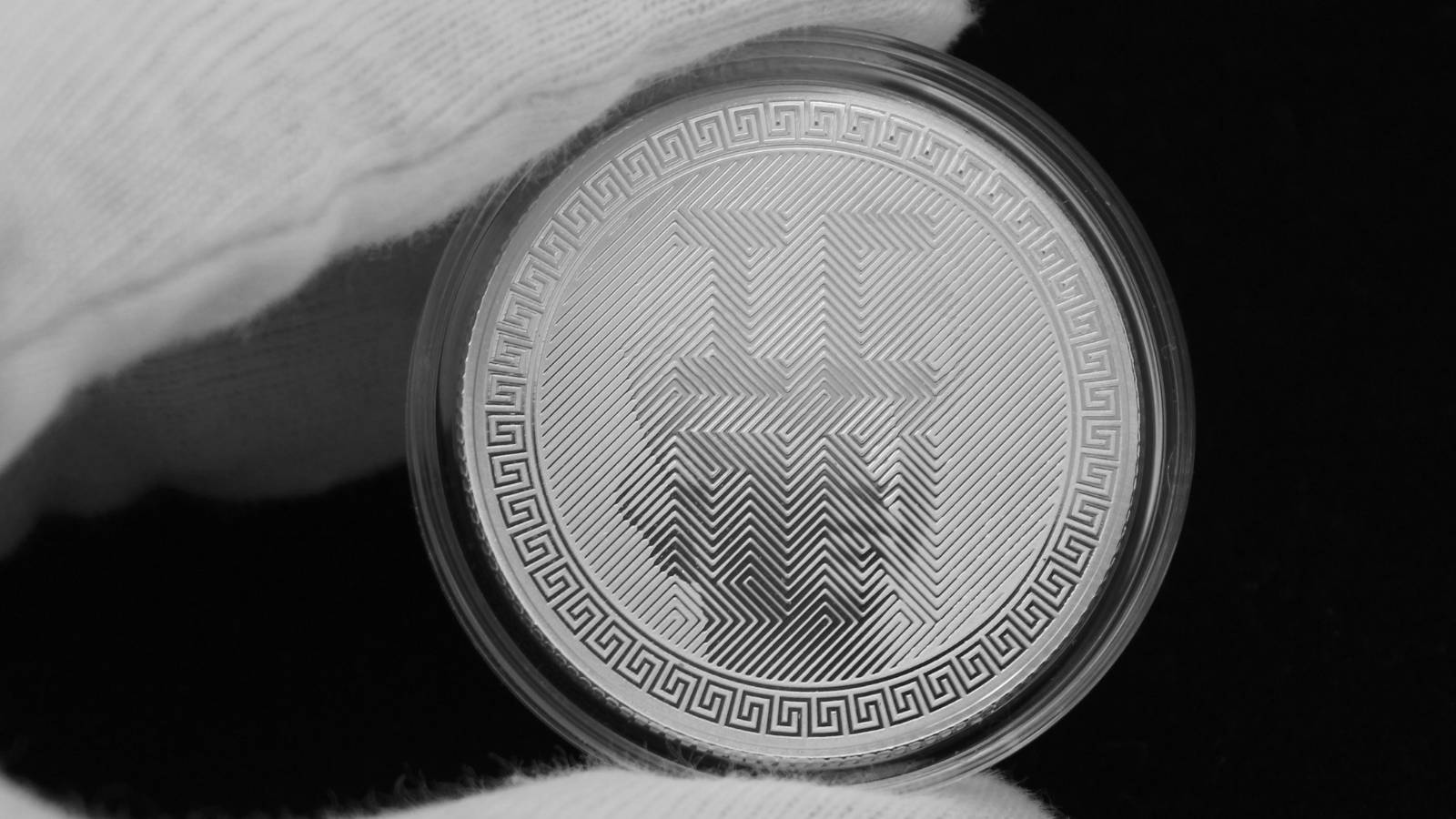
Why does silver tarnish but gold does not?
Silver reacts chemically with sulfur compounds present in the air, even in trace amounts, which can come from polluted air, certain materials such as rubber or wool, and even some foods. This reaction creates a thin, dark layer of silver sulfide on the surface. Gold, by contrast, is chemically very stable and practically never reacts with air under everyday conditions, so it never "fades" or darkens in a similar way.
Does this affect investment value?
For investment bars and coins, generally not. Tarnish is a surface-level chemical reaction that does not meaningfully affect the actual silver content or weight. Dealers value a product based on its metal content, not the cosmetic condition of its surface, much like a scratched gold bar does not lose significant value.
For numismatic (collector) coins, it can matter. As we covered in an earlier article about gold coins, condition plays a fundamental role in value for these pieces, so a heavily tarnished collector coin can lose value if it affects its grading.
How can you prevent tarnishing?
Store it in an airtight case or capsule. Coins and smaller items are best kept in storage that minimizes contact with air and sulfur compounds.
Avoid direct contact with rubber and certain textiles. Rubber bands, and some wool or felt materials, contain compounds that can speed up tarnishing.
Use a dehumidifying or sulfur-absorbing product in the storage container. Some collectors place a silica gel packet or a special sulfur-absorbing paper inside the storage container, which can significantly slow the rate of tarnishing.
Avoid extreme humidity. High humidity speeds up the chemical reaction, so a dry, stable-climate storage location is always preferable.
What should you do if your silver has already tarnished?
For investment-grade bars or coins, cleaning is typically not necessary. Since the dealer values the product based on its metal content, light tarnish does not usually justify intervention, especially since cleaning carries its own risks, such as scratching or metal loss.
Do not use harsh, abrasive cleaning products. Aggressive home cleaning can scratch the surface and may even remove tiny amounts of metal, which reduces the weight and can complicate authenticity checks.
For a collector or numismatic piece, seek expert advice. If you want to clean a valuable, rare coin, consult a specialist before doing anything, since improper cleaning can significantly reduce its collector value.
Is there a difference in tarnishing tendency between bars and coins?
In practical terms, there is no fundamental difference. Both forms are equally exposed to reaction with sulfur compounds if stored improperly. Bars, since they typically have a larger, more compact surface, sometimes show signs of tarnishing somewhat more slowly than a coin of the same purity with a larger relative surface area, but this is not a major difference.
Why shouldn't you worry about this in advance?
Tarnish is a well understood, predictable, purely cosmetic phenomenon that does not meaningfully affect the value of investment-grade products. If you store your silver properly, in a dry, airtight, sulfur-free environment, tarnishing can be significantly slowed, but even if it does occur, this is not a reason for panic or for rushed, risky intervention.
Is there a connection between storage location and the rate of tarnishing?
Yes, a significant one. In a dry, stable-climate, sulfur-free environment, such as a properly set up home safe or professional storage, silver can retain its original shine for years, even decades, while in a poorly ventilated, damp, or polluted location it can tarnish considerably faster. You can read more about this in our article on silver storage.
Frequently asked questions
Why does silver tarnish while gold does not? Because silver reacts chemically with sulfur compounds in the air, which is a surface-level reaction, while gold is chemically very stable and does not undergo a similar reaction.
Does tarnish reduce the value of investment silver? Generally not significantly, since dealers value the product based on its metal content, not the cosmetic condition of its surface.
How should you clean tarnished silver? For investment-grade products, cleaning is typically not necessary. If you do want to clean it, avoid harsh, abrasive methods, and seek expert advice for a valuable, collector piece.
How can you prevent tarnishing? Airtight storage, sulfur-absorbing materials, and avoiding high-humidity or polluted environments can significantly slow the process.
Summary
Silver tarnish is a natural chemical phenomenon that sets it apart from gold, but for investment-grade products it does not represent a meaningful loss of value, since the metal content does not change. The best strategy is prevention, through proper, airtight, dry storage, and if tarnishing does occur, avoid rushed or harsh cleaning methods. As with any precious metal, past experience is not a guarantee, and your personal situation may always call for different considerations.
Book a free informational consultation
30 minutes, with no obligation. We give a transparent overview of the options, costs and risks of buying physical precious metals.