Silver Purity Grades: What Do 925 Sterling and 999 Investment Silver Mean?
Anyone who works with silver items or investment silver quickly comes across the markings 925 and 999. This article explains what these numbers mean and why understanding the difference matters.
What does the fineness marking mean?
Fineness shows how many parts out of a thousand are pure silver in a given item. The marking 925 means that 925 parts out of a thousand are pure silver, with the remaining 75 parts alloyed with another metal, most commonly copper.
Sterling silver (925): the traditional, durable standard
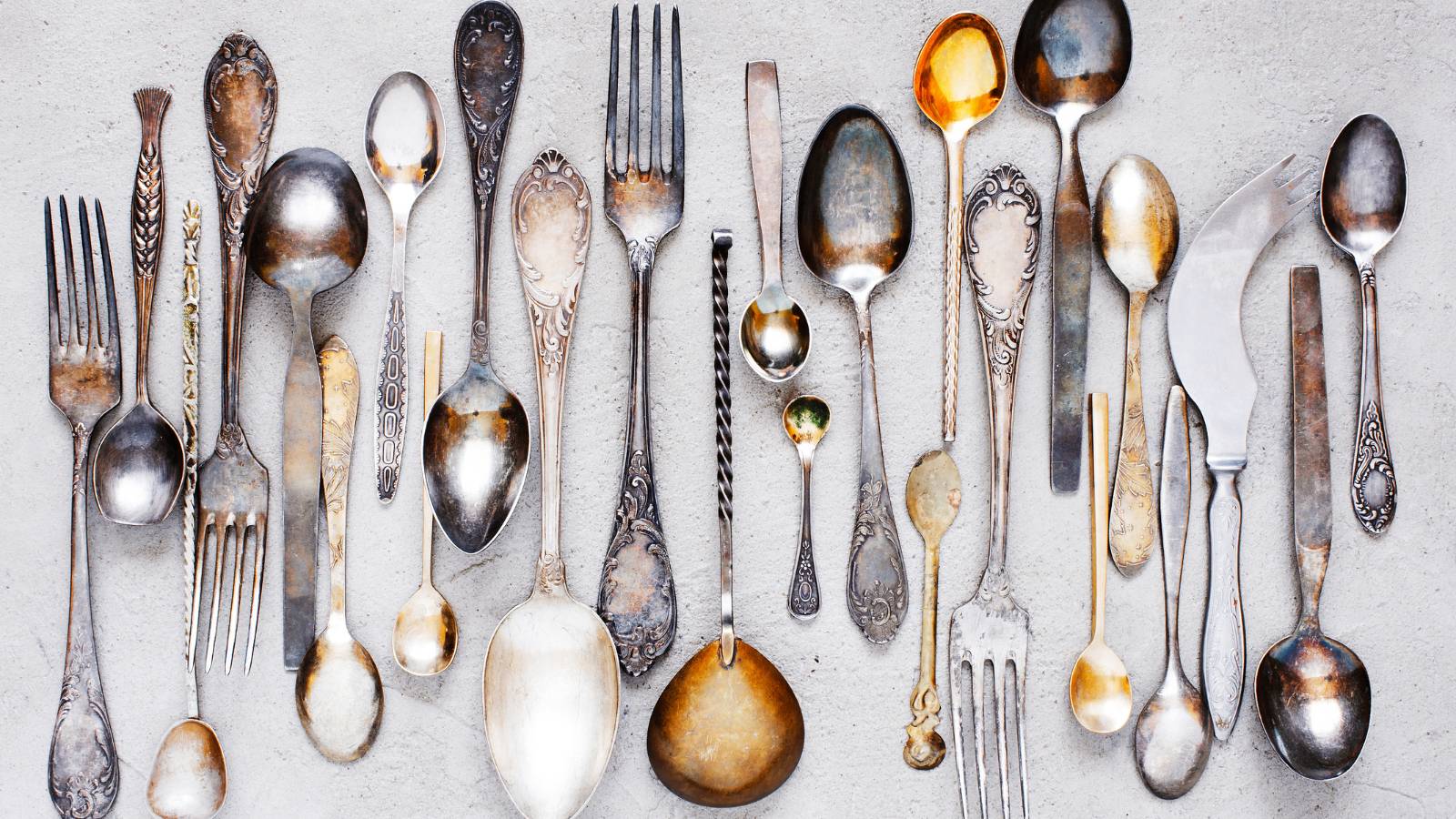
Sterling silver is the most widely used standard for jewelry, cutlery, ornaments, and tableware. Adding copper significantly increases the hardness and wear resistance of an item compared to pure silver, which matters for something intended for everyday use, such as a spoon or a ring.
Investment silver (999 or 999.9): the highest purity
Investment-grade silver bars and coins are almost always 999 or 999.9 fine, meaning they consist of practically pure silver. Here, unlike with jewelry, the metal content is what matters most, not durability or design, so alloying is typically unnecessary.
A historical curiosity: Britannia silver
There is a third, less common but historically significant standard: 958 fine Britannia silver, once used for certain British silver items. It is rarer today, but it is worth knowing that this is also a recognized, legitimate purity grade if you come across an older item of British origin.
What about old, demonetized silver coins?
In many countries, everyday circulating coins were historically minted from 900 fine silver or similar, before governments switched to non-precious-metal coinage. These so-called "junk silver" coins are still traded today, valued mainly for their metal content rather than for numismatic or collector value.
Why does this matter before you buy or sell?
Do not confuse jewelry with an investment product. A 925 sterling silver piece of jewelry serves a different purpose than a 999 investment bar or coin, even though both are called "silver."
Purity directly affects melt value. If someone wants to sell an old silver flatware set or piece of jewelry based on its metal content, the exact purity, whether 925 or otherwise, largely determines the price that can be achieved.
Watch out for non-silver components too. In many silver flatware sets, knife blades are often made of stainless steel, with only the handle silver-plated or sterling silver, which significantly reduces the actual silver content of a full set.
How can you recognize purity on an item?
As with gold, silver items are typically required to carry a hallmark, an authentication stamp that indicates the purity grade, often a tiny marking that needs a magnifying glass to read. For investment bars and coins, an official certificate and the information on the packaging confirm purity instead.
What about silver-plated products?
Similar to gold-plated products, silver-plated items also exist, where a thin layer of silver covers a base made of another metal. Their metal content is negligible, they are not suitable for investment purposes, and it is important not to confuse them with solid sterling or investment-grade silver products.
What does this mean in practical terms?
If you are buying purely for investment purposes, it is worth looking for 999 or 999.9 fine products made specifically for investment, rather than jewelry or flatware. If instead you want to assess the value of an inherited or old silver item, the hallmark or an expert appraisal can help determine the actual metal content, and with it the value. The precise value always depends on your specific item, its condition, and the current market price.
Frequently asked questions
What is the difference between 925 and 999 silver? 925, or sterling silver, contains 92.5% pure silver, with the rest alloyed for durability, while 999, or investment silver, is practically pure silver.
Why isn't every silver item 999 fine? Because pure silver is soft and deforms easily, so items meant for everyday use, such as jewelry or flatware, use the alloyed, more durable sterling standard instead.
How much is an old sterling silver flatware set worth? The value is determined by the actual silver content, meaning weight multiplied by purity, minus any non-silver components such as knife blades, together with the current market price. This is worth having assessed by an expert, since it can vary from item to item.
How can you recognize the purity of an old silver item? The hallmark, or authentication stamp, shows the purity grade. It is often found in a discreet spot on the item and may require a magnifying glass to read.
Summary
925 sterling silver and 999 investment silver are two standards made for fundamentally different purposes: the former prioritizes durability, the latter high metal content. If you are buying purely for investment purposes, it is worth looking for the highest-purity products available, and if you want to assess the value of an old silver item, knowing its exact purity is essential. This is not a guarantee of any future price or return, only a starting point for your decision, and depends on your personal situation.
Book a free informational consultation
30 minutes, with no obligation. We give a transparent overview of the options, costs and risks of buying physical precious metals.