Why Invest in Silver? The Main Arguments Explained
If you have so far only considered gold, it is worth looking at the arguments for adding silver to a diversified precious-metals portfolio too. This article summarizes the main points in a balanced way, including the drawbacks. One point up front: the price of silver can fluctuate significantly, and none of the arguments below amount to a guaranteed return or a promise of value preservation.
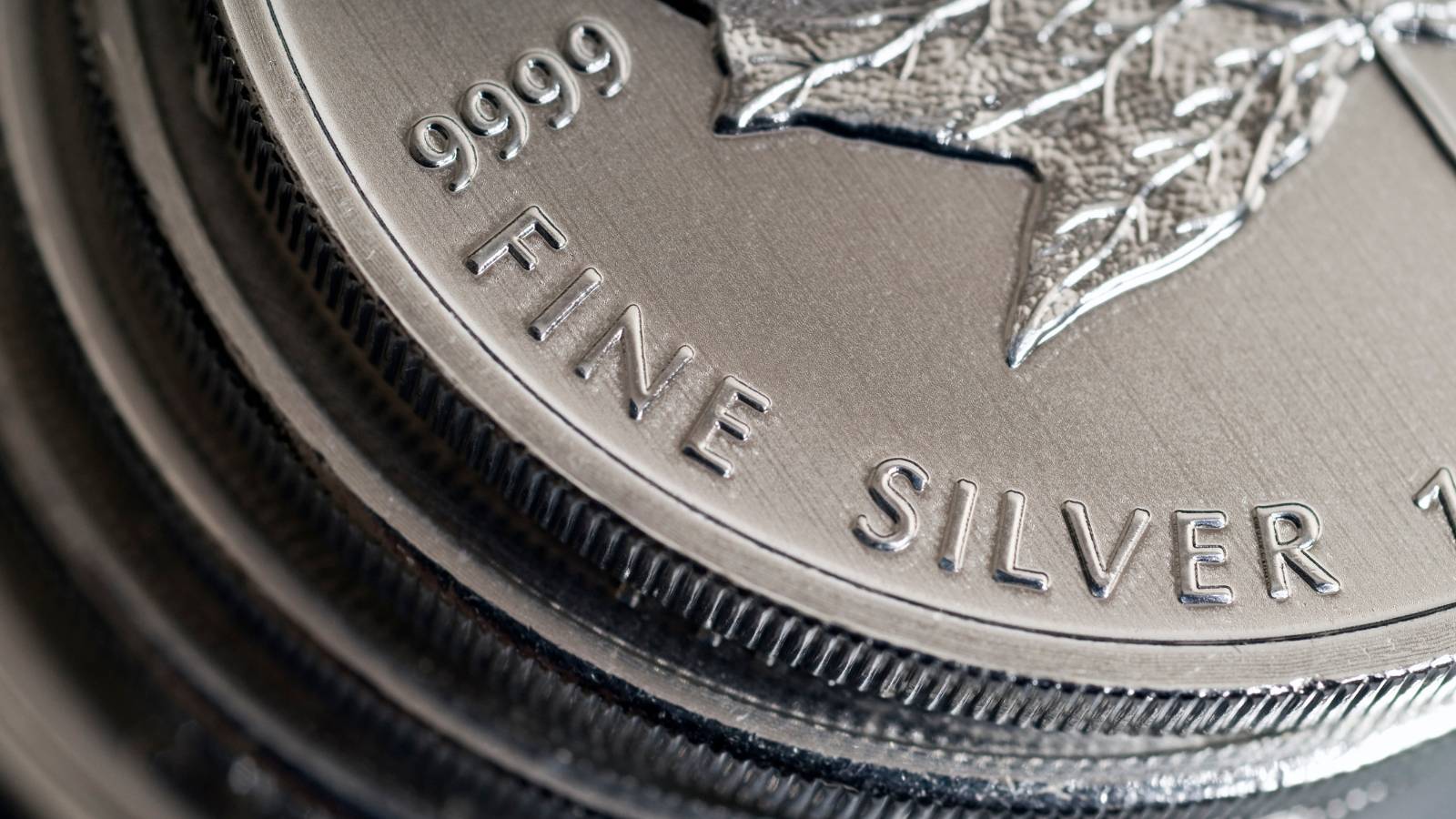
1. A lower entry point
The price of silver per gram is significantly lower than gold, which means you can start building a meaningful collection with a much smaller sum. This can be particularly appealing if you want to begin with smaller, regular amounts before committing to larger purchases; we cover this in more detail in our article for beginners.
2. Dual nature: investment and industrial raw material
Silver is unique among precious metals because a significant and growing share of demand is industrial (solar panels, electronics), not purely investment-driven. This can give it a structural demand base that gold lacks. This is not a guarantee of future price movements, since industrial demand and price are shaped by many other factors too; we cover this in our article on the green-energy shift.
3. A millennia-old historical role as money
Silver is not only a modern investment product: for thousands of years it formed the basis of the monetary systems of many civilizations. This deep-rooted historical role lends it credibility in the eyes of many investors, though a past role does not by itself guarantee future performance; we cover this in more detail in a separate article.
4. Diversification value in a portfolio
Adding silver to an existing gold or equity portfolio can add further diversification, since its price is driven in part by different factors (industrial cycles) than gold's. This is not a guarantee that portfolio performance will improve: diversification can reduce risk, but it does not eliminate it; we cover this in more detail in a separate article.
5. Higher potential return, alongside higher risk
Historically, silver has shown larger swings than gold, in both directions. This means that in a favorable market environment, the potential upside can also be greater, but in exchange, the risk and the possible loss are higher too; we cover this in more detail in our article on volatility.
6. Physical, tangible ownership
Like gold, physical silver is an asset you can hold directly: no intermediary or third party is required for you to own it. This can reduce counterparty risk compared with paper-based or digital investment forms, though physical storage brings its own challenges, as covered below.
What are the main drawbacks worth knowing?
No VAT exemption. Unlike gold, silver carries the full VAT rate, which significantly affects the final price.
Higher volatility. The higher potential return comes with higher risk, which is not suitable for everyone, and losses are possible short term.
More space and weight. For the same value, silver takes up far more mass and volume than gold, which affects storage decisions.
It can tarnish. Unlike gold, silver can oxidize over time if it is not stored properly.
Who might these arguments appeal to most?
Those who want to diversify their precious-metals holdings alongside gold, and who accept the higher volatility and the drawbacks above in exchange for the potential benefits. It may suit you if you want to start with a smaller amount, or if you are specifically interested in the growth potential tied to silver's industrial demand. The right decision always depends on your personal situation, your goals, and your risk tolerance.
Who might silver not be recommended for?
If you are only looking for lower-volatility, more predictable precious-metals assets, or you would rather not deal with the larger storage requirements and the need to prevent tarnishing, it may be worth focusing primarily on gold and treating silver only as a smaller, deliberately chosen addition.
What time horizon should you consider?
Many of the arguments in favor of silver (structural industrial demand, diversification) tend to play out best over a longer, multi-year or multi-decade horizon, though this is not a guarantee. In the short term, due to higher volatility, you should expect significant, sometimes uncomfortable swings, so this is primarily worth considering if you also have the patience for that time horizon and the uncertainty that comes with it.
Frequently asked questions
Is it worth buying silver instead of gold? Not necessarily as a substitute, but rather as a complementary asset; many people deliberately hold both, in different roles.
Why is silver's entry point lower than gold's? The price per gram is significantly lower, so you can start building a meaningful collection with a smaller sum.
What is silver's biggest drawback compared with gold? Mainly the full VAT burden, along with higher volatility and greater storage requirements.
What supports demand for silver over the longer term? Demand from renewable energy and electronics, which can provide a structural demand base, though this does not guarantee future price movements.
Summary
The main arguments in favor of silver are its lower entry point, its dual investment and industrial nature, its historical role, its diversification value, and its higher potential return. Set against these are the drawbacks: the full VAT burden, higher volatility, and greater storage requirements. Making an informed decision means knowing both sides, not just the appealing arguments. The right decision always depends on your personal situation; it is worth seeking an independent professional opinion before deciding.
Book a free informational consultation
30 minutes, with no obligation. We give a transparent overview of the options, costs and risks of buying physical precious metals.