Why Isn't Investment Silver VAT-Exempt?
Many people are surprised to learn that while investment-grade gold is VAT-exempt, investment-grade silver is subject to full VAT. This article explains where this difference comes from and what it means in practice for the final price you pay. The topic touches on taxation, so this description is informational only, not tax advice.
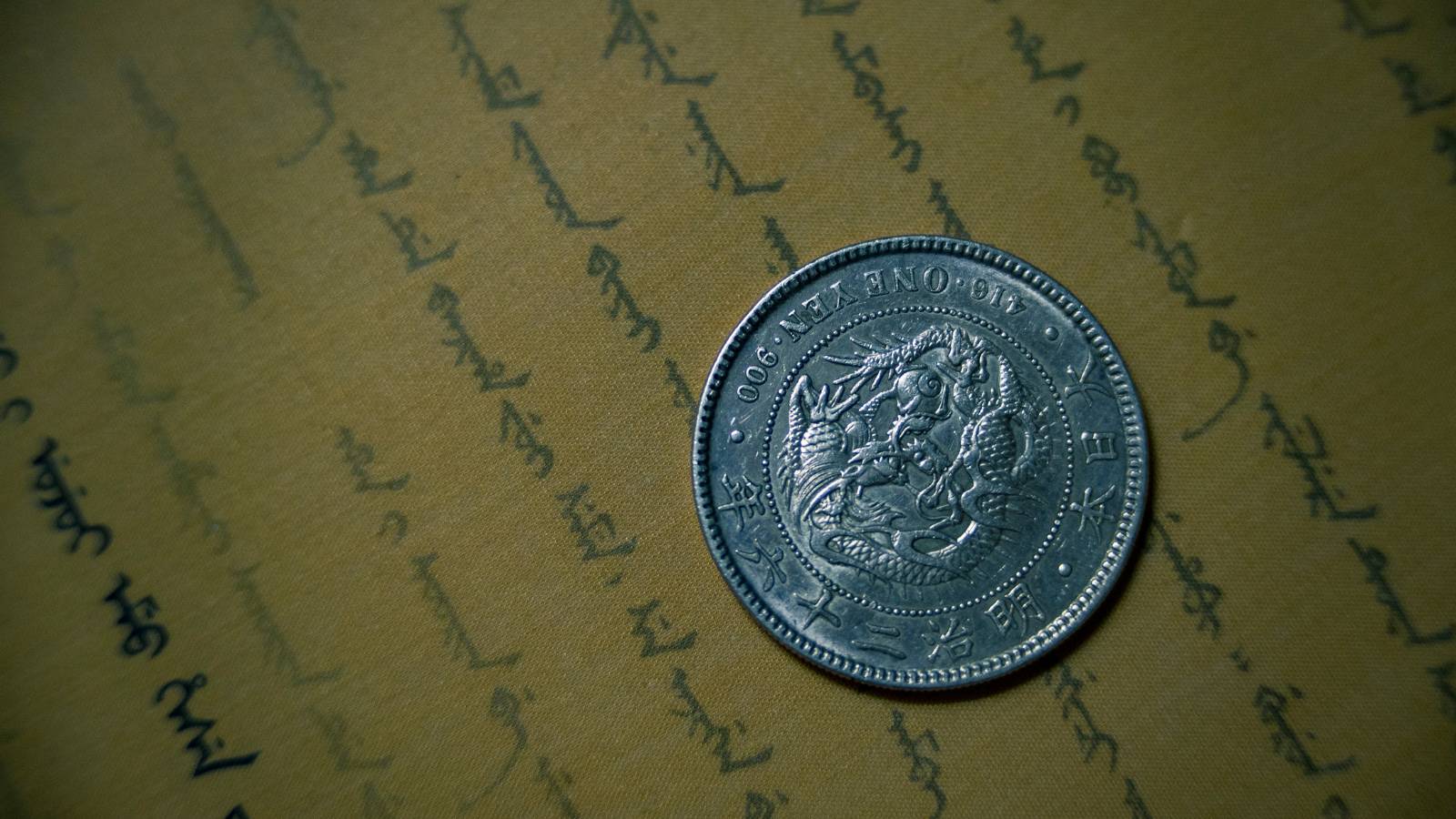
The EU VAT Directive: Only Gold Gets the Exemption
As we covered in an earlier article, the EU VAT Directive treats "investment gold" as a distinct, privileged category and exempts it from value-added tax. This exemption applies exclusively to gold. Neither silver, nor platinum, nor palladium fall into this category, regardless of the purity or form (bar, coin) of the product.
Why Did Only Gold Receive This Special Status?
Historically, silver also played a monetary role, and many countries' currency systems were partly or fully silver-based for centuries. However, when the modern EU VAT framework was put together, only gold was placed in the privileged, quasi-monetary category, mainly because gold remained the symbolic foundation of central bank reserves and the international financial system, while silver had effectively lost that role.
What Does This Mean in Practice, for the Final Price?
When you buy investment silver, the advertised price includes the applicable VAT rate in full, which in Hungary currently stands at 27 percent, one of the highest rates in the EU (rates and treatment differ by country). A significant part of the amount you pay covers tax rather than the metal itself, giving silver investing a fundamentally different cost structure than gold.
Is There Any Way to Reduce This Tax Burden?
Some dealers can sell certain previously circulated silver products under what is known as the margin scheme, where VAT is calculated only on the dealer's margin rather than the full sale price. This can result in a lower effective tax burden than the full VAT charged on new products, but it does not apply to every product or dealer. It is worth asking which VAT treatment applies to a given offer, and checking the current rules with an official source or a tax professional in your country.
Why Does This Matter Before You Invest?
The price may need to rise more before you break even. Because the VAT paid at purchase is not refunded on sale, the price of silver would generally need to increase by a larger margin for the investment to turn a profit than an equivalent gold investment would. This is not a guarantee in either direction, only a structural factor worth weighing.
It can influence the choice between silver and gold. If you look only at entry and exit costs, this structural difference can tip the balance toward gold, even though silver has other characteristics that some investors find appealing.
A longer time horizon may be worth considering. Because of the VAT burden, investing in silver may call for a longer, more patient approach than a short-term strategy; short-term losses are also possible.
What About Platinum and Palladium?
It is worth knowing that this disadvantage is not unique to silver. Platinum and palladium also do not enjoy a VAT exemption, and the same full VAT rate applies to them as to silver. Gold, then, is the unusual exception among precious metals: it is not that silver is disadvantaged relative to the others, but that gold receives special treatment.
So Why Do Many People Still Invest in Silver?
Silver's specific characteristics, a lower entry threshold, a strong industrial demand component, and potentially higher long-term appreciation tied to its higher volatility, can offset the VAT disadvantage for some investors. The decision depends on your personal situation: how important diversification alongside gold is to you, and how willing you are to accept a higher entry cost for the possibility, not a guarantee, of a higher long-term return.
Frequently asked questions
What is the VAT rate on investment silver in Hungary? The full standard VAT rate applies, which in Hungary currently stands at 27 percent, one of the highest rates in the European Union. Rates differ across EU member states.
Why is only gold VAT-exempt if silver is also a precious metal? For historical reasons, EU regulation places only gold in the privileged, quasi-monetary "investment gold" category. Silver does not qualify for this treatment.
Is there any way to lower the VAT burden on silver? Some dealers can sell certain products under the margin scheme, which can result in a lower effective tax burden. It is worth asking about this for a specific offer, and verifying the details with an official source.
Is it still worth investing in silver given the VAT burden? This depends on your goals and your personal situation. Many investors knowingly accept this disadvantage in exchange for silver's other characteristics, such as a lower entry threshold and industrial demand, but this is not a guaranteed outcome.
Summary
Investment silver, unlike gold, does not enjoy a VAT exemption within the EU; in Hungary this means the full, currently 27 percent VAT rate is built into the final price. This is a structural difference in the economics of investing in gold versus silver, worth factoring into any decision. VAT rates and rules vary by EU country, so this article is informational only, not tax advice; verify the current rules that apply to you with an official source or a local tax professional.
Book a free informational consultation
30 minutes, with no obligation. We give a transparent overview of the options, costs and risks of buying physical precious metals.